



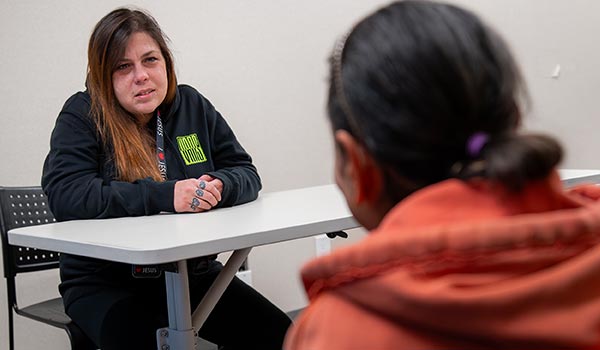
When women arrive at the Welcome Centre Shelter, they often bring more than just their belongings. Many carry stress, fear, and painful experiences. That’s why it’s so important they’re greeted not just by staff, but by someone who truly understands. Someone who has been there. That’s what peer support is all about—a real connection from someone who knows what it’s like.
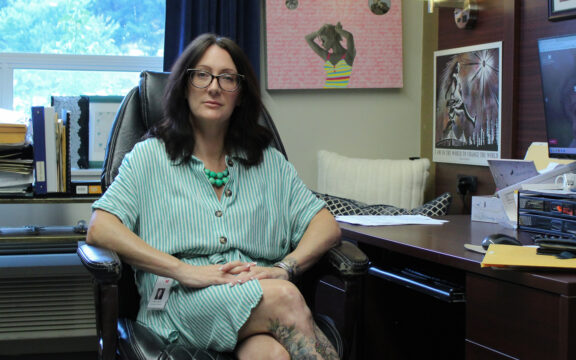
For one peer support worker at the shelter, her journey started much like the women she now helps. “I got sober at 41,” she shares. “When I first came to the shelter, it was just for a drop-in. I didn’t know where to go. But I saw how the women here were helping others, it was empowering.” That same drop-in space she once visited? She now runs it.
Today, the Drop-In Program plays a vital role at the Welcome Centre, especially for women who are not currently staying in shelter but still need support. It’s a space where women can pause, connect, and access essentials without judgment. The program offers low-barrier access to peer-led support, health information, harm reduction resources, and social activities in a welcoming environment.
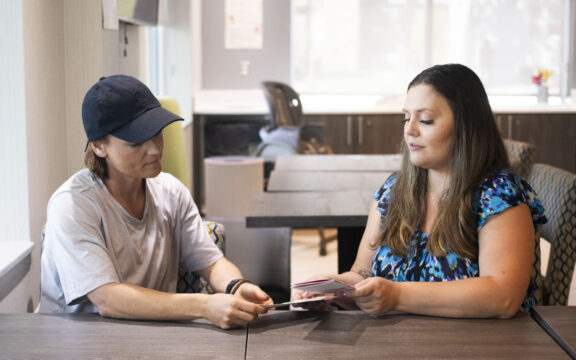
Designed as a bridge for those transitioning out of shelter or navigating homelessness independently, the drop-in offers more than just services; it provides community. Peer workers lead informal conversations, host educational sessions, and make space for healing and growth. Programming is guided by ongoing client feedback, ensuring that the topics, presenters, and partnerships reflect what women actually want and need.
Peer support workers are key figures in both the shelter and drop-in space. These are self-identified women with lived experience of homelessness or substance use. They are not clinicians or case managers. They’re equals—offering comfort, support, and hope.
“I’m not staff,” she says. “That’s the first thing I tell people. I don’t have authority here. I’m someone you can talk to. When someone’s in crisis or just needs to vent, they don’t always want to go to a staff member. But they’ll come to me, because they know I’ve been there.”
Building trust is a big part of the job. Often, that starts with something simple—sitting outside, chatting casually, being present. “I don’t like to just sit around. I go find people and talk to them,” she says. “You get to know who needs someone.”
Women staying at the shelter say that support means everything. One woman shared how much it helps to have someone who truly listens and cares.
“Peer support is very understanding, empathetic, caring and good listeners. They go above and beyond in order to be here for us whenever we need them. They show compassion when necessary while still being professional. They allow us to vent and always seem to know when to talk and when to just listen. Many of us would be totally lost without them—we’ve come to very much depend on them.”
Research backs this up. A 2023 study in BMC Psychiatry found that peer support helps people feel safe and respected, especially after trauma or discrimination. Another report from BMC Public Health showed that peer programs help people stay connected and avoid crisis. These findings match what we see every day at the shelter.
This work is powerful, but it’s also hard. “It’s tough when someone’s really struggling,” she says. “I’ve cried with them before. I’m an emotional person. But that’s part of why I do this. People need someone who really hears them.”
That honesty and care are what make peer support so special. A 2024 article from the National Library of Medicine explains how peer workers can reduce isolation and support healing, especially for people who have been left out or mistreated by other systems.
The peer support worker says the job has also changed her. “Even when I was using, I had my own biases. But working here opened my eyes. I’ve grown. I’m giving back, and I’m learning too.”
She hopes peer support will grow beyond shelters. “Everywhere needs peer support. Hospitals, prisons, seniors—anyone who feels alone or judged needs someone they can relate to.”
For those unsure about talking to peer support, her message is clear: “We’re not staff. We don’t make decisions. We’re just here to listen.”
And for anyone wondering if they could do this work, she offers simple advice: “If you’ve lived it, you can help someone else. Your story can make a difference.”
At the Welcome Centre Shelter, peer support isn’t just a program. It’s a lifeline. Whether it’s a moment of quiet connection during a smoke break or a conversation during drop-in hours, it’s about real people helping each other through empathy, honesty, and shared experience. Healing often starts with a simple conversation. And sometimes, the most powerful words are: I’ve been there too.






You must be logged in to post a comment.