



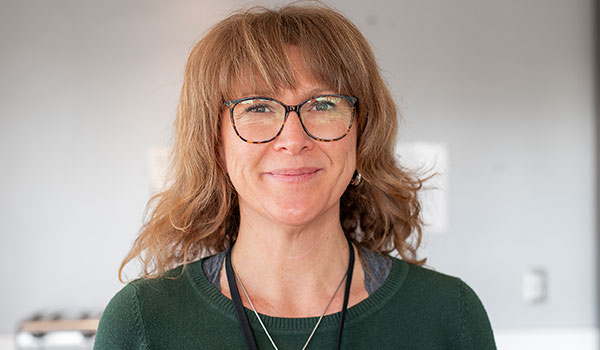
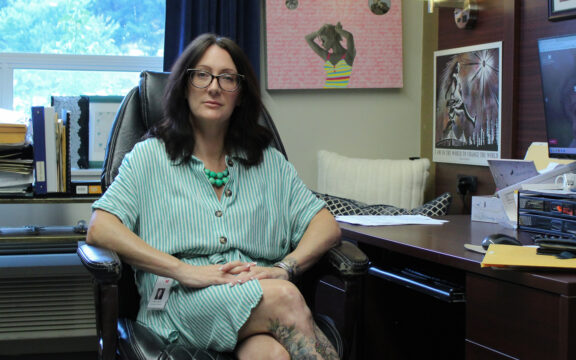
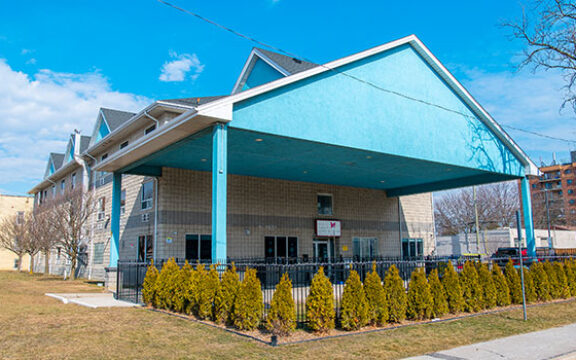
For the staff at the Welcome Centre, harm reduction isn’t just a practice; it’s a philosophy, a lifeline, and in many cases, the reason someone can access shelter in the first place. At the heart of this approach is one staff member who, with calm conviction and data-backed clarity, is helping shift perceptions, break down stigma, and save lives.
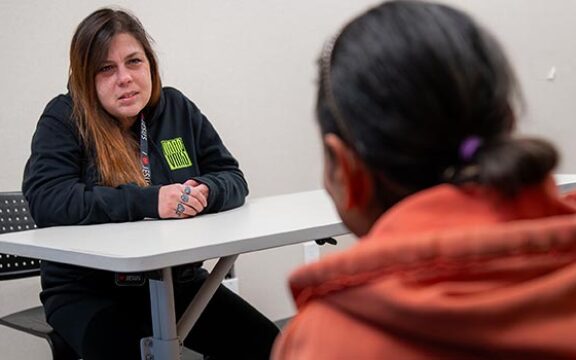
After over 10 years at the Welcome Centre, there isn’t too much Anastasia Adams, the Harm Reduction Coordinator, hasn’t seen. From talking with clients and answering their questions and concerns, to training staff or researching new strategies to ensure the shelter continues to improve and provide the best care possible, no two days at the shelter play out the same way.
Behind it all, the mindset has remained the same. Work grounded in empathy, pragmatism, and a strong belief in meeting people exactly where they are. Adams understands that each person’s path is complex, shaped by trauma, housing instability, and often substance use.
“Harm reduction, to me, is about equity,” Adams explains. “It’s about making sure people who usually don’t have access to health care actually do.”
While the public often views harm reduction solely through the lens of substance use, Adams emphasizes its broader focus on safety and respect. To make this clear, she offers a simple analogy.
“If you drove to work today, you engaged in something with risk. You wore your seatbelt and followed the rules. That’s harm reduction. It’s the same idea. If someone is using substances, we’d rather they have the tools to do it more safely.”
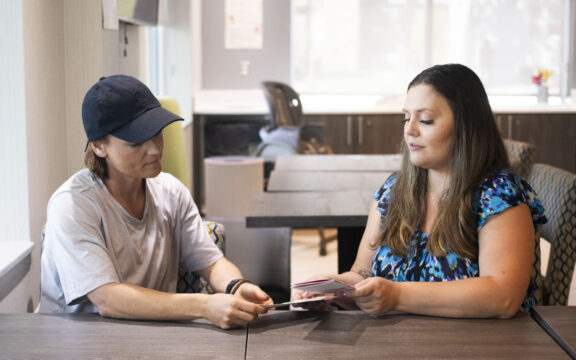
A cornerstone of the Welcome Centre’s harm reduction model is its partnership with Pozitive Pathways. Through this collaboration, the shelter serves as a satellite site, offering safer use supplies such as safe needles, inhalation kits, and sexual health items.
These resources are available 24/7 to residents and from 8 a.m. to 12 p.m. for community members, a level of access unmatched anywhere else in Windsor.
The results speak for themselves. Adams estimates that nearly one-third of the women currently at the shelter wouldn’t be able to stay if not for the harm reduction programming. These services aren’t just helpful, they’re often lifesaving.
Studies back this up: research published in The Lancet Global Health (2014) by Degenhardt et al. shows how expanded access to safe-use supplies and opioid treatment significantly reduces HIV transmission. Similarly, the CDC (Centers for Disease Control and Prevention) highlights harm reduction as vital to curbing overdoses and opening doors to care.
Still, misconceptions linger. Adams doesn’t shy away from hard conversations.
“If someone’s open to talking, most of the time they leave understanding,” she said. “This isn’t about encouraging drug use. It’s about reducing harm, preventing illness, and offering a safer path forward. It just makes sense.”
This understanding is further reinforced by a 2017 report from the National Academies of Sciences, Engineering, and Medicine, which found that harm reduction strategies reduce overdose, infectious disease, and other harms without increasing substance use—a key finding in dismantling stigma.
Inside the shelter, Adams also plays a critical role in addressing internal concerns, especially among residents unaccustomed to being around substance use. Her efforts to support staff education are just as important. Most recently, she launched “Harm Reduction 2.0,” a training series that keeps the team equipped with the latest research and responses.
“There’s a lot of misinformation out there, especially around fentanyl exposure,” she notes. “We make sure everyone knows they’re not at risk just by being near someone who uses. We always handle concerns with care and facts.”
Education plays a key role in replacing fear with confidence. Public Health Ontario, for example, has outlined that fentanyl cannot be absorbed through casual contact and that overdoses typically result from ingestion or inhalation, not presence.
Every staff member is trained in harm reduction and carries Naloxone on shift. The shelter maintains clear rules around substance use, but incidents are always addressed through a lens of behaviour and understanding—not punishment.
One moment still resonates deeply with Adams. A mother new to the shelter noticed signs of substance use among other residents. But what stood out to her even more was the staff’s calm, prepared response.
“She said, ‘You’ve got a lot in place to handle it.’ That meant a lot,” Anastasia shares. “It showed she felt safer knowing we were on it.”
These moments are everything. Whether it’s someone accessing safe supplies without judgment or simply staying long enough to secure stable housing, each act represents progress. They might seem small, but in reality, they’re transformative steps toward health, dignity, and trust.
So what keeps Adams going, day in and day out?
“The chance to offer people some basic decency. That’s it,” she affirms. “People say I’m so nice, but I don’t think that’s it. I think I’m just treating people the way they deserve to be treated. Harm reduction is basic health care. Everyone should have access to it.”
And at the Welcome Centre, thanks to Adams and the team beside her, they absolutely do.







You must be logged in to post a comment.